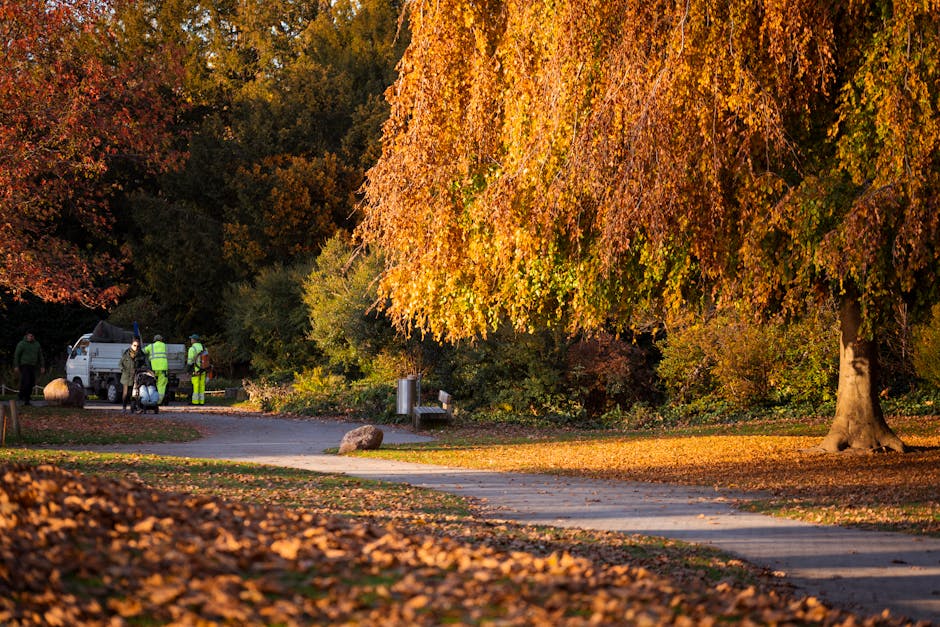
Gardeners serving West Dulwich and North Dulwich station
If you live, work, or commute near West Dulwich or North Dulwich station, you already know how quickly a garden can slip from "nearly there" to "where do we even start?". A windy week, a few missed cuts, some stubborn hedge growth, and suddenly the whole outside space feels heavier than it should. That is exactly where gardeners serving West Dulwich and North Dulwich station can make life easier. The right local team helps keep gardens tidy, usable, and in step with the pace of everyday London life, without turning the job into a drawn-out hassle.
This guide explains what local gardening support usually includes, how the service works, who benefits most, and what to look for before you book. It also covers the small practical details people often overlook - access, timing, waste handling, seasonal maintenance, and the difference between a quick tidy-up and a proper long-term plan. Truth be told, those details matter more than most people think.
Table of Contents
- Why Gardeners serving West Dulwich and North Dulwich station Matters
- How Gardeners serving West Dulwich and North Dulwich station Works
- Key Benefits and Practical Advantages
- Who This Is For and When It Makes Sense
- Step-by-Step Guidance
- Expert Tips for Better Results
- Common Mistakes to Avoid
- Tools, Resources and Recommendations
- Law, Compliance, Standards, or Best Practice
- Options, Methods, or Comparison Table
- Case Study or Real-World Example
- Practical Checklist
- Conclusion
- Frequently Asked Questions
Why Gardeners serving West Dulwich and North Dulwich station Matters
Gardens near rail stations tend to face a few predictable pressures. People are often busy, properties can be lived-in rather than regularly maintained, and outdoor spaces need to look presentable from the pavement as well as feel good from inside the home. In areas around West Dulwich and North Dulwich station, that combination usually means gardens need consistent care rather than occasional rescue jobs.
There is also the local reality of London weather. One damp spell and the grass takes off. A couple of sunny weeks and the hedge seems to double in size. Leaves drift into borders, side returns become cluttered, and paths start feeling slippery underfoot. Not dramatic, just annoying. But enough to make a garden feel like work instead of a space you enjoy.
Local gardeners matter because they understand the kind of maintenance rhythm that keeps a small or medium-sized city garden under control. They know when a lawn needs regular mowing, when a hedge trim can be light or more corrective, and when a full clearance is the safer, cleaner starting point. That practical judgement is what saves time and avoids unnecessary expense.
If you are comparing wider service options, it can help to look at a full services overview first, then narrow down to the specific work your garden actually needs. A quick one-size-fits-all approach often misses the point.
How Gardeners serving West Dulwich and North Dulwich station Works
Most gardening services begin with a simple conversation about the garden's current condition, what you want it to do, and how often you want attention. That sounds obvious, but a surprising number of problems start when the brief is too vague. "Make it nicer" is understandable, but not enough. Do you want low maintenance? Better shape? Safer access? A clearer space for children, pets, or entertaining? Those are different jobs.
A good local gardener typically works through the space in stages. First comes a quick assessment of the layout, overgrown areas, access points, waste volume, and any features that need care, such as delicate shrubs, timber edging, raised beds, or decking. Then comes the plan. Sometimes that means a one-off tidy. Sometimes it means repeat maintenance. And sometimes it means the garden needs a more structural reset through landscaping or clearance.
If the job includes ongoing care, a routine might cover mowing, edging, hedge trimming, weeding, pruning, and seasonal touch-ups. If it is a larger project, a team may combine preparation work with garden clearance, landscaping, or even decking services where the space calls for it. In practice, the best results usually come from matching the method to the garden rather than forcing the garden to fit the method. Simple, really.
For many homeowners and landlords, the most useful part is predictability. You know what is due, when it is due, and what sort of finish to expect. No guesswork. No half-done edges. Just a garden that looks as though someone has been paying attention.
Key Benefits and Practical Advantages
The obvious benefit is visual. A tidy garden looks brighter, cleaner, and more cared for. But the real value goes beyond appearances. Good garden maintenance reduces build-up, improves access, and often prevents small issues from becoming the sort of job that eats up a whole Saturday. And nobody wants that, let's be honest.
Here are the advantages people tend to notice most:
- Better day-to-day use - paths are easier to walk, seating areas feel inviting, and lawns become usable rather than patchy or tangled.
- Less stress - regular maintenance prevents the "I should really sort that out" feeling from lingering for weeks.
- Healthier planting - shrubs, hedges, and lawn areas usually respond better when they are trimmed or mown at the right time.
- Improved kerb appeal - useful if you are letting, selling, or simply want the property to look its best.
- Safer outdoor areas - overgrowth, loose debris, and poor visibility can make a garden less comfortable to move through.
There is also the benefit of pace. A local team serving this part of Dulwich can often schedule work more efficiently, especially for repeat maintenance or multi-step projects. That matters in London, where access windows can be tight and people do not always want workers arriving at awkward times while they are trying to get out the door.
For regular upkeep, garden maintenance is often the most sensible option because it keeps the space in shape all year instead of letting it swing between extremes. It is the difference between brushing crumbs off the table and deep-cleaning the whole kitchen every month. Both have their place, but one is easier to live with.
Who This Is For and When It Makes Sense
This kind of local service suits a wide range of people. You do not need a huge garden to benefit. In fact, smaller city gardens often need more disciplined care because every square metre gets used hard and nothing is hidden for long.
You may be a good fit if you:
- live in a house or flat with a small rear garden that gets overgrown quickly;
- have a front garden that needs regular presentation;
- own a rental property and need the outside space kept in decent condition;
- want help after a season of neglect or a burst of fast growth;
- need support after moving in and inheriting a garden that feels a bit overwhelming;
- prefer ongoing help rather than buying tools and doing everything yourself.
It also makes sense if you are planning a specific improvement. Maybe the lawn is fine but the hedge is a mess. Maybe the borders are tired and need reshaping. Maybe there is a decked area that needs integrating better with the rest of the space. In those cases, a mix of lawn mowing, hedge trimming, and broader landscaping support may be more useful than a generic tidy-up.
One small but common scenario: someone near the station is juggling commuting, school runs, and work calls, and the garden keeps getting pushed back. Fair enough. That is exactly when a regular gardener becomes less of a luxury and more of a practical reset button.
Step-by-Step Guidance
If you want a smooth result, it helps to treat the first appointment as the beginning of a simple process. Nothing fancy. Just clear steps.
- Walk the garden properly
Look at the whole space, not just the obvious problem area. Check lawns, beds, hedges, access routes, fences, hard surfaces, and any dead patches or drainage issues. A quick glance is rarely enough. - Decide what outcome you actually want
Do you want it tidier, easier to maintain, more private, more family-friendly, or ready for a social event? The job changes depending on the goal. - Separate urgent work from nice-to-have work
Overgrowth, unsafe branches, and blocked access come first. Decorative improvements can wait if needed. - Choose the right service mix
Some gardens only need mowing and trimming. Others need clearance, planting adjustments, or structural changes. If trees are becoming an issue, tree lopping and removal may need to be considered carefully and professionally. - Set a realistic maintenance rhythm
Weekly, fortnightly, monthly, or seasonal? There is no universal answer. It depends on growth rate, garden size, and how polished you want the result to stay. - Review the finish and the waste handling
Do the edges look clean? Are cuttings removed? Are paths usable again? A good service should leave the garden feeling complete, not just partially improved.
One practical tip: if the garden has gotten away from you, do not try to "pre-clean" it for hours before the team arrives. Save your energy. A decent gardener has seen worse, much worse, and would rather start with a clear brief than a tired client.
Expert Tips for Better Results
A few habits make a real difference. Not dramatic, just useful. First, keep an eye on seasonal timing. In spring and early summer, growth can accelerate quickly, so waiting too long between visits often creates more work than it saves. In autumn, leaf build-up and soft growth can hide issues that need attention before winter sets in.
Second, think about maintenance in layers. A healthy garden usually depends on several small jobs happening in the right order: mow, edge, trim, clear, prune, then tidy. If you skip the sequence, the result can look oddly unfinished. You will notice it, even if you cannot quite put your finger on why.
Third, ask for honest recommendations about what to keep, reduce, or remove. A good gardener should not automatically cut everything back to the same height. That approach can flatten a garden's character. Sometimes a well-placed shrub or slightly untidy border gives the space more life. A little restraint can be the expert move.
If sustainability matters to you, ask how green waste is handled and whether the work is planned with reuse or recycling in mind. Our recycling and sustainability approach is worth considering if you want the project to be both neat and responsible.
And one more thing: don't underestimate sightlines. A path that feels open, a hedge that is trimmed just enough, or a border that no longer swallows the edge of the patio can change how the whole garden feels. Small win, big effect.
Common Mistakes to Avoid
Most garden problems in this kind of local setting do not come from one huge mistake. They come from a series of smaller delays and assumptions. The garden looks fine for a bit, then not so fine, then suddenly it is a headache.
- Waiting too long to call for help - once growth gets heavy, the work takes longer and can be more disruptive.
- Booking only on price - the cheapest option is not always the best value if it misses detail or leaves waste behind.
- Ignoring access issues - narrow side paths, locked gates, and limited parking all affect how work is carried out.
- Confusing a tidy with a plan - a one-off cut is not the same as a garden that stays manageable over time.
- Over-cutting hedges or shrubs - too much at once can spoil shape and stress the plant.
- Forgetting aftercare - some jobs need watering, feeding, or follow-up trimming, especially after heavier pruning.
There is also the "I'll just do it next weekend" trap. We have all been there. It sounds harmless until next weekend becomes next month, and then the job becomes twice the size. Gardening has a funny way of punishing delay. Not cruelly, just efficiently.
Tools, Resources and Recommendations
For clients, the most useful "resource" is often not a gadget but a clear service plan. Still, there are a few things worth understanding before you book. A professional team will usually bring the right mowing equipment, cutting tools, and disposal setup for the job. You do not need to know every tool by name, but it helps to understand what each kind of service is trying to achieve.
Useful service areas to consider:
- Lawn care for keeping grass even, tidy, and manageable.
- Hedge and shrub trimming for structure, privacy, and neat boundaries.
- Garden clearance for reclaiming neglected or cluttered spaces.
- Landscaping for layout changes, planting structure, and more substantial improvement.
- Decking and hard landscaping for creating practical seating or circulation areas.
For a broader starting point, the services overview can help you think through what kind of work belongs in a maintenance plan and what belongs in a larger redesign. That distinction is useful because it stops you paying for the wrong kind of help.
If you are comparing providers, look for clarity rather than flashy promises. Clear quotes, sensible scheduling, and direct explanations usually tell you more than polished marketing ever will.
Law, Compliance, Standards, or Best Practice
For garden work in a residential area, the main compliance concerns are usually safety, waste handling, and responsible work practices rather than anything exotic. In the UK, a professional gardening service should be able to explain how they manage risk on site, how they handle tools and access, and what happens to waste once the job is done. It is not glamorous, but it is exactly the kind of detail that separates a proper service from a rushed one.
Best practice also means working carefully around structures, utilities, and neighbouring properties. Hedges close to boundaries, branches over paths, slippery paving, and awkward access points all need attention. If there is tree work involved, that tends to require extra caution and a more measured approach than a simple trim. Sometimes the answer is not to cut more; it is to cut smarter.
Insurance matters too. If anyone is working on your property, especially with machinery, ladders, or heavy waste removal, you want confidence that they operate with sensible cover and safe procedures. You can review the company's insurance and safety information and also its health and safety policy if you want extra reassurance before booking.
Payment clarity is another good sign. Transparent terms, secure handling, and a straightforward quote process all help the job feel professional from the start. Nothing flashy. Just tidy, honest practice. If you want to understand the basics in advance, the pricing and quotes page is a sensible place to begin.
Options, Methods, or Comparison Table
Not every garden needs the same kind of help. Some benefit from repeat care, while others need a hard reset first. Here is a simple comparison to make the choice easier.
| Approach | Best for | Typical outcome | Watch out for |
|---|---|---|---|
| Routine garden maintenance | Gardens that are already in decent shape | Consistent mowing, trimming, weeding, and seasonal tidying | Can fall behind if visits are too infrequent |
| One-off tidy-up | Busy homeowners or tenants who need quick improvement | Immediate visual improvement and better access | Does not solve underlying growth patterns |
| Clearance and reset | Overgrown or neglected spaces | Space becomes usable again, ready for replanting or redesign | More disruptive at first, and often needs follow-up care |
| Landscaping or redesign | Gardens needing layout changes or better structure | Improved flow, use, and visual balance | Requires clearer planning and a realistic budget |
For many people near West Dulwich and North Dulwich station, the best answer is actually a mix. A garden may need a thorough initial reset, then lighter maintenance to keep it on track. That hybrid approach is often the most practical and least stressful over time.
Case Study or Real-World Example
Picture a modest rear garden behind a family home within easy reach of the station. It is not ruined, just neglected. The lawn has gone patchy in places, the hedge is leaning into the walkway, and the patio edge has become a sort of green border that nobody intended. By the time the owners call for help, the space still has good bones, but it no longer feels easy to use.
In a situation like that, the first job is usually clearance and definition. Cut back the growth that is swallowing the edges. Lift the hedge enough to restore light and space. Mow the lawn properly rather than just skimming the top. Clear the debris so you can see what is actually there. Then decide whether the next step is maintenance, replanting, or a small redesign.
What usually surprises people is how quickly the mood of the garden changes. Not because everything has been made perfect - it rarely is - but because the space starts breathing again. You can see the borders. You can walk through without brushing past everything. The garden stops feeling like a task.
That is the real value of good local gardening support. It does not just tidy the garden. It gives the space back.
Practical Checklist
Use this checklist before you book or before the team arrives:
- Walk the garden and identify the main problem areas.
- Decide whether you need maintenance, clearance, landscaping, or a mix.
- Check access gates, side passages, and parking considerations.
- Remove obvious personal items, toys, and fragile pots from work areas.
- Note any plants you want kept, shaped, or protected.
- Decide whether waste should be removed or left bagged for you.
- Ask about timing, repeat visits, and how soon the garden will need attention again.
- Confirm any safety concerns, including steep steps, slippery surfaces, or unstable branches.
- Review pricing, scope, and what counts as extra work.
- Keep a simple note of what looked good after the visit so the next one is easier to plan.
Practical summary: the best results come when you treat garden care as an ongoing rhythm, not a rescue mission. A bit of planning, the right level of service, and a local team that understands the pace of the area can make all the difference.
Conclusion
Gardeners serving West Dulwich and North Dulwich station help turn outdoor spaces from half-managed into genuinely useful parts of daily life. Whether the job is a seasonal tidy, a lawn refresh, hedge work, clearance, or a more ambitious redesign, the right support should feel straightforward, careful, and suited to the garden you actually have - not the one you wish you had on a perfect spring morning.
What matters most is matching the service to the space, keeping expectations clear, and choosing a team that values clean work, safe practice, and reliable follow-through. If you do that, the garden becomes easier to live with almost immediately, and easier to enjoy over time. And that, really, is the point.
Get a free quote today and see how much you can save.
When the outside space feels calmer, the whole home tends to feel calmer too. Nice, simple, and honestly a bit underrated.
Frequently Asked Questions
What do gardeners serving West Dulwich and North Dulwich station usually help with?
They typically help with mowing, hedge trimming, pruning, weeding, garden clearance, seasonal tidy-ups, and sometimes larger improvements such as landscaping or decking-related work. The exact service depends on the garden's condition and what you want it to do.
How often should a garden near West Dulwich or North Dulwich station be maintained?
That depends on the size of the garden, how fast it grows, and how polished you want it to look. Some gardens need weekly or fortnightly attention in spring and summer, while others are fine with monthly or seasonal visits.
Is a one-off garden tidy enough, or do I need regular maintenance?
If the garden is only slightly behind, a one-off tidy may be enough. If growth keeps returning quickly or the space is used often, regular maintenance usually gives better value and a more consistent result.
Can gardeners help with an overgrown garden that feels unmanageable?
Yes. Overgrown gardens are a common starting point. In many cases, the first step is garden clearance or a heavy tidy-up, followed by a maintenance plan so the space does not drift back into neglect.
What should I ask before booking local garden services?
Ask what is included, how waste is handled, whether the team is insured, how access is managed, and whether the quote covers one-off work or ongoing visits. Clear questions now save a lot of confusion later.
Do I need garden clearance before landscaping work starts?
Often, yes. If the space is cluttered or heavily overgrown, clearance usually comes first so the gardener can assess the layout properly and build from a clean base.
How do I know whether my hedge needs trimming or reducing?
If the hedge is simply untidy, trimming may be enough. If it has become too wide, too tall, or is blocking light and access, a more considered reduction may be needed. A good gardener should explain the difference clearly.
Is it worth combining mowing, trimming, and pruning in one visit?
Usually, yes. Bundling the jobs can make the garden look more finished and often makes practical sense because the work flows better in one visit. It also helps avoid repeated disruption.
What happens to garden waste after the work is done?
That depends on the agreement, but waste is usually bagged, removed, and handled responsibly. If waste disposal matters to you, ask about it in advance so there are no surprises on the day.
Are there safety issues I should think about before gardening work starts?
Yes. Uneven ground, slippery paving, awkward access, unstable branches, and hidden debris can all matter. It is sensible to point out anything risky before the team begins, especially if the garden has been neglected for a while.
What is the best first step if I want to improve my garden but do not know where to start?
Start with a straightforward assessment of the space and the outcome you want. Then look at a service overview, decide whether you need maintenance, clearance, or landscaping, and ask for a clear quote based on the actual condition of the garden.
How can I keep the garden looking good after the first visit?
Set a realistic maintenance rhythm, keep an eye on fast-growing areas, and avoid letting small jobs build up for too long. A few timely visits each season can make a huge difference. Small effort, big payoff.